

What Is a Rugged Phone? Rugged Phone's Functions, Features, and Applications
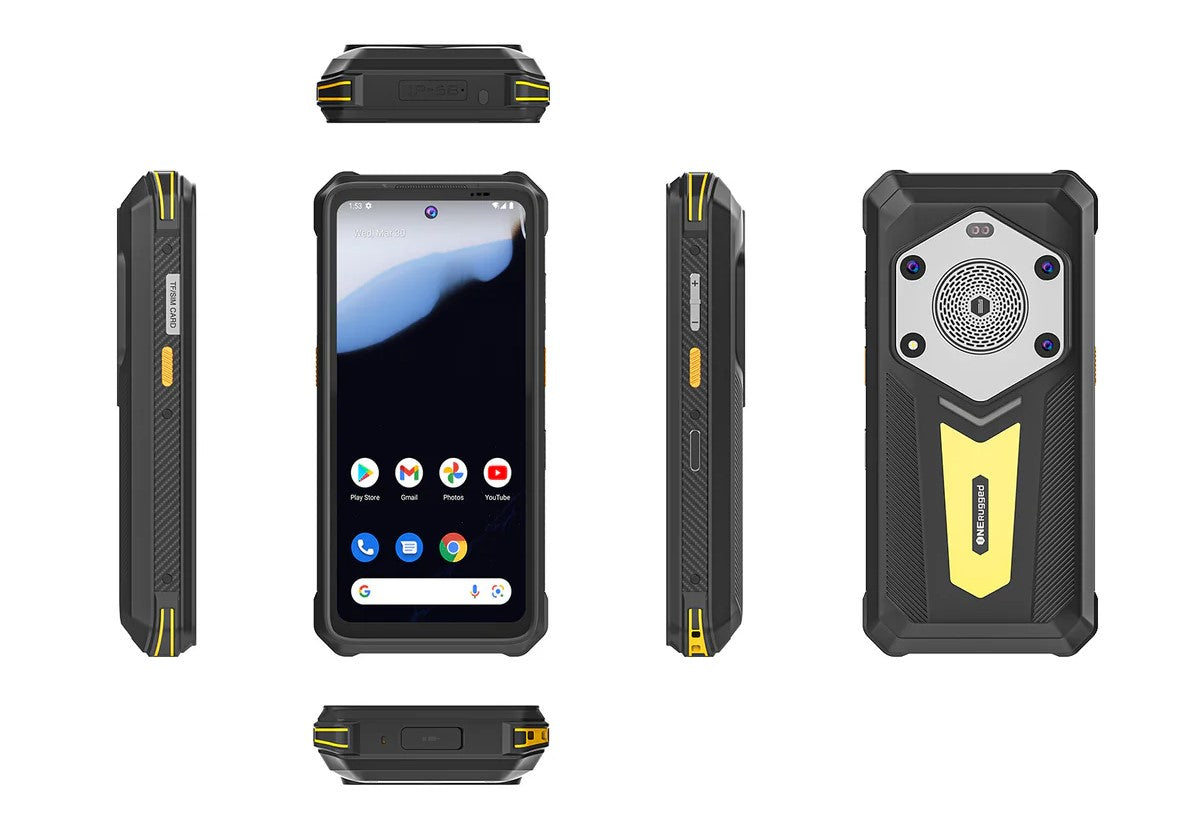
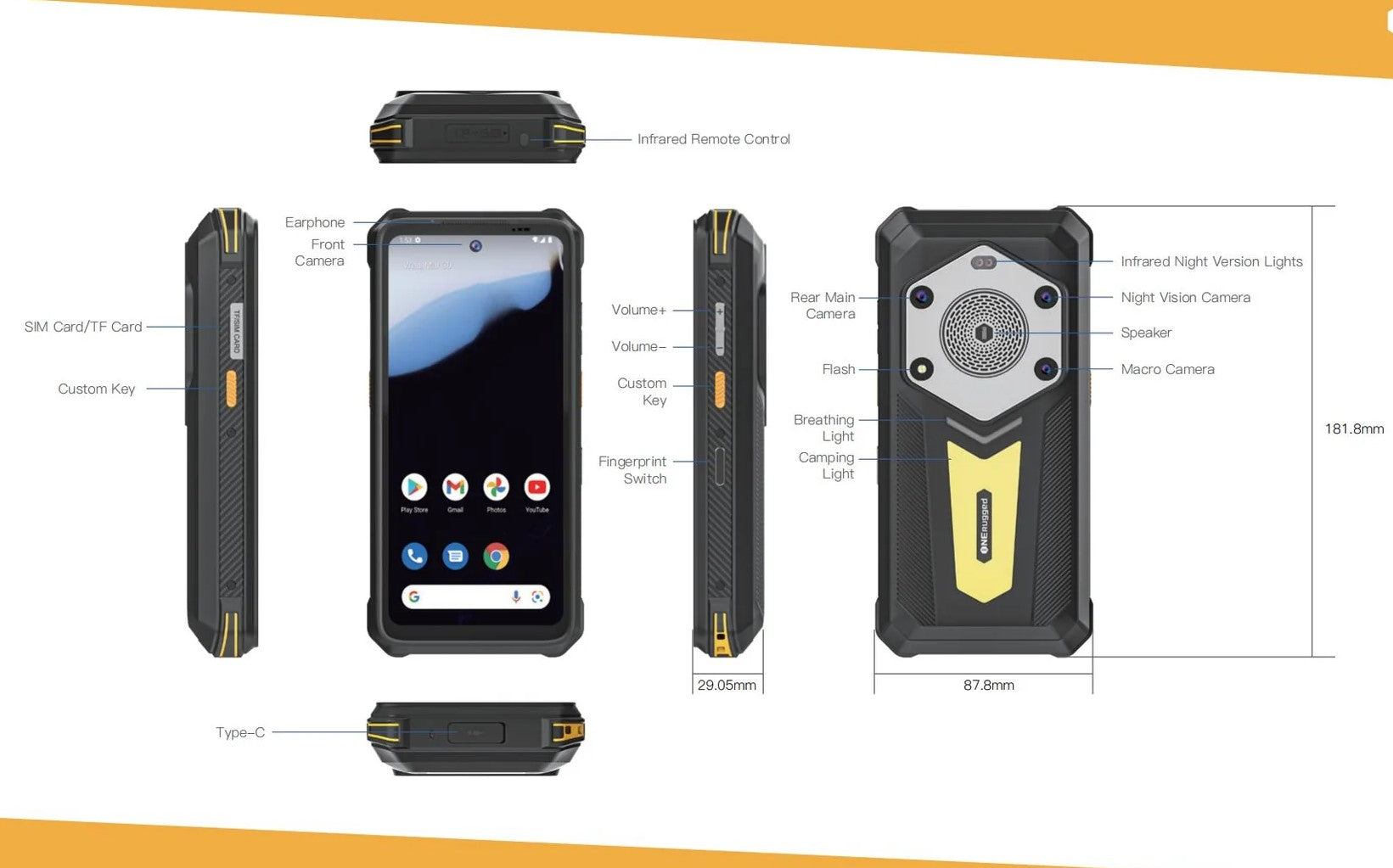
What is a Rugged Phone? A rugged phone is a mobile device engineered to withstand extreme conditions that would damage or destroy a standard smartphone. It is designed from the ground up with reinforced materials and protective features to resist drops, shocks, water, dust, and extreme temperatures. The term "rugged" is often formally defined by industry standards (IP and MIL ratings), which we will explore below.

I. Key Features of a Rugged Phone
1. Durability and Protection Standards
Rugged phones typically meet MIL-STD-810H military standards, ensuring resistance to shocks, drops, vibration, humidity, and extreme temperatures. Many models also carry IP65, IP67, or IP68 ratings, providing protection against dust ingress and water immersion.
2. Reinforced Design
These devices are built with reinforced frames, rubberized corners, and impact-resistant glass such as Corning Gorilla Glass. This construction significantly reduces the risk of damage from accidental drops or rough handling.
3. Water and Dust Resistance
Rugged phones are fully sealed to prevent dust, sand, and water from entering the device. This makes them suitable for outdoor use, rainy conditions, and dusty industrial environments.
4. Extended Battery Life
To support long working hours, rugged phones often feature large-capacity batteries or removable batteries. This ensures uninterrupted operation during long shifts or in remote locations where charging options are limited.
5. Operation in Extreme Temperatures
Unlike consumer smartphones, rugged phones are designed to function in extremely hot or cold environments, making them ideal for use in deserts, cold storage facilities, or high-altitude areas.
II. Common Applications of Rugged Phones
1. Industrial and Manufacturing
Rugged phones are widely used on factory floors for communication, inventory management, barcode scanning, and real-time data access.
2. Construction and Engineering
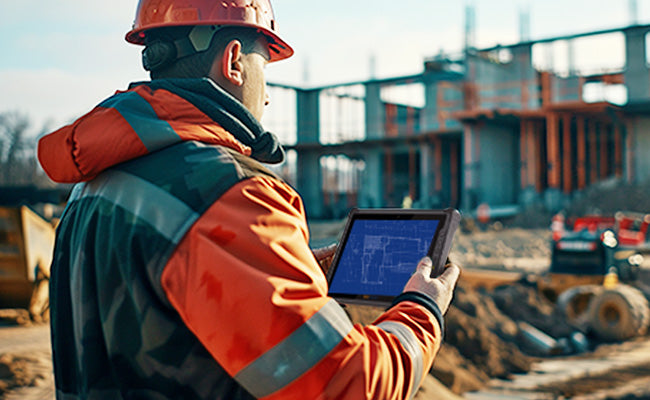
On construction sites, rugged phones provide reliable communication, GPS navigation, and documentation capabilities while withstanding dust, vibrations, and accidental drops.
3. Logistics and Warehousing
With integrated barcode scanners and long battery life, rugged phones are ideal for package tracking, warehouse management, and delivery operations.
4. Public Safety and Emergency Services
Police, firefighters, and rescue teams rely on rugged phones for their durability, reliability, and stable connectivity in emergency situations.
5. Outdoor and Adventure Use
Hikers, climbers, and outdoor enthusiasts choose rugged phones for their weather resistance, long battery life, and durability in challenging environments.
III. Advantages of Using a Rugged Phone
1. Higher reliability in demanding environments
2. Reduced device downtime and replacement costs
3. Improved productivity for field workers
4. Enhanced safety and communication
5. Longer product lifecycle compared to consumer devices
A rugged phone is more than just a durable smartphone—it is a professional-grade communication tool designed for reliability, safety, and performance in extreme conditions. Rugged phones are commonly used in industries that demand durability, reliability, and uninterrupted communication, including construction, logistics, manufacturing, utilities, public safety, and outdoor exploration.


Laisser un commentaire
Ce site est protégé par hCaptcha, et la Politique de confidentialité et les Conditions de service de hCaptcha s’appliquent.