
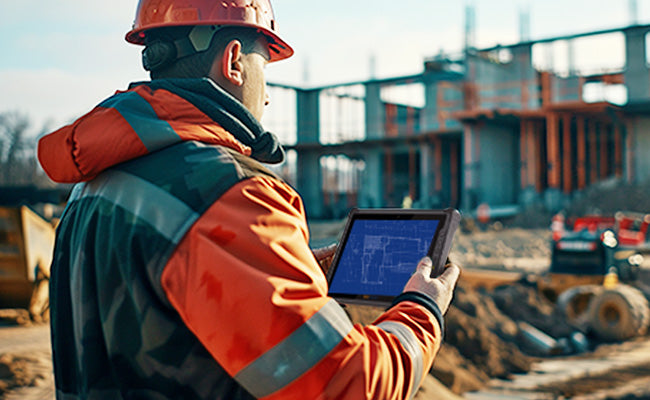


Best Rugged Tablet PC Buying Guide for Oil and Gas Industry (2026)
Why Oil and Gas Operations Need Rugged Tablets?The oil and gas industry operates in some of the most demanding environments on the planet. Engineers, technicians, and inspectors often work in remote locations such as offshore platforms, deserts, pipelines, and refineries. In these environments, consumer-grade electronics simply cannot survive.
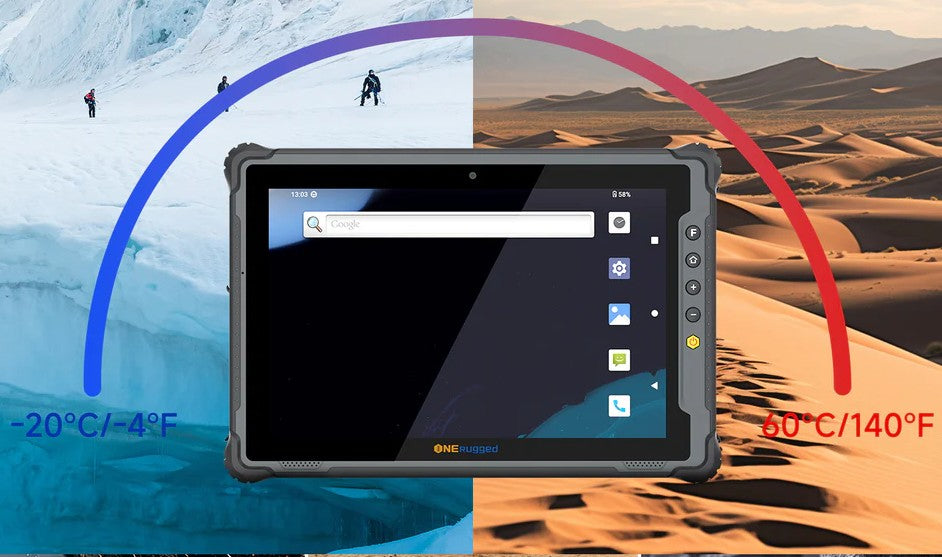
Devices used in the field must endure harsh environmental conditions, including heavy vibration, dust exposure, temperature extremes, and accidental drops. Standard tablets or laptops are not designed to withstand such environments.
This is why many companies are investing in rugged tablet PCs specifically designed for industrial field operations.
In this guide, we will explore why rugged tablets are essential for oil and gas operations, what features matter most, and how companies can choose the right device for long-term reliability.

1. Environmental Challenges in Oil and Gas Operations
A rugged tablet is specifically engineered to handle harsh field conditions that commonly occur in oil and gas projects.
Key environmental challenges include:
• Extreme temperature swings in outdoor environments
• Heavy vibration from drilling and extraction equipment
• Dust and sand exposure in desert or pipeline areas
• Frequent drops during field inspections
• Moisture and chemical exposure on offshore platforms
Devices used in these environments must meet strict industrial durability standards such as United States Department of Defense environmental testing protocols like MIL-STD-810H.
These tests simulate real-world stress conditions to verify that the device can operate reliably in extreme environments.
Without rugged protection, electronic devices may fail frequently, causing downtime and operational delays.
2. Common Use Cases for Rugged Tablets in Oil & Gas
Rugged tablets are widely used across upstream, midstream, and downstream oil and gas operations.
① Pipeline Inspection
Pipeline inspectors use rugged tablets to:
• Access digital inspection checklists
• Record pipeline condition data
• Capture photos and videos of potential damage
• Upload inspection reports directly to company systems
Real-time reporting improves operational efficiency and reduces paperwork.
② Equipment Maintenance
Maintenance teams rely on rugged tablets to support daily equipment servicing tasks.
Typical applications include:
• Accessing maintenance manuals
• Running diagnostic software
• Monitoring SCADA systems
• Tracking equipment maintenance history
Having instant access to equipment data helps improve preventive maintenance and reduce system failures.
③ Offshore Platform Operations
Offshore oil rigs require reliable mobile devices for daily operations.
Workers use rugged tablets for:
• Work order management
• Safety inspection reporting
• Equipment monitoring
• Communication with headquarters
Reliable mobile computing devices help reduce downtime and improve safety compliance on offshore platforms.
3. Key Features to Look for in a Rugged Tablet
Not all rugged tablets are suitable for oil and gas environments. Companies should carefully evaluate several technical specifications before purchasing.
① Durability Certification
Durability certification is one of the most important indicators of device reliability.
Look for tablets tested under MIL-STD-810H, which verifies resistance to:
• Shock and vibration
• Extreme temperatures
• Humidity
• Drop impact
Most industrial rugged tablets support drop resistance from 1.2 to 1.5 meters.
② High Ingress Protection Rating
Dust and water protection are essential in oil field operations.
Recommended protection levels include:
• IP67 – dustproof and water resistant
• IP68 – full dust protection and water immersion resistance
These protection standards are defined by the International Electrotechnical Commission.
Devices with high ingress protection ratings can operate safely in dusty, wet, or muddy environments.
③ Sunlight-Readable Display
Oil field technicians often work outdoors under strong sunlight.
Low-brightness screens are difficult to read in these conditions.
Recommended display specifications include:
• Brightness of 800–1200 nits
• Anti-glare screen coating
• Wide viewing angles
A sunlight-readable display ensures workers can access critical data during outdoor inspections.
④ Long Battery Life
Oil field operations frequently take place in remote locations where charging access is limited.
Recommended battery specifications include:
• Battery capacity of 8000mAh or higher
• 8–12 hours of continuous operation
Some industrial tablets also support hot-swappable batteries, allowing users to replace batteries without shutting down the device.
This feature is especially useful during long inspection shifts.
⑤ Connectivity Options
Reliable connectivity allows field workers to synchronize data with company systems in real time.
Important connectivity features include:
• 4G LTE or 5G network support
• WiFi 6 connectivity
• Bluetooth for peripheral devices
• GPS positioning for field navigation
These features allow engineers to transmit inspection reports, photos, and operational data directly from the field.
4. Safety Considerations in Hazardous Environments
Certain oil and gas facilities operate in potentially explosive environments where electronic equipment must meet strict safety standards.
Depending on the region and regulatory requirements, devices may need certifications such as:
• ATEX certification (Europe)
• IECEx certification (international standard)
These certifications ensure that electronic devices do not produce sparks or excessive heat that could ignite flammable gases.
Companies operating in hazardous zones should always verify explosion-proof certification requirements before deploying mobile devices.
5. Benefits of Rugged Tablets in Oil Field Operations
Investing in rugged tablets can provide significant operational benefits for oil and gas companies.
① Improved Data Accuracy
Digital data entry reduces errors associated with manual paperwork and improves reporting accuracy.
② Faster Reporting
Inspection reports and equipment data can be uploaded instantly, improving communication between field teams and headquarters.
③ Reduced Device Replacement Costs
Consumer tablets often fail quickly in harsh environments. Rugged tablets are designed to last three to five years, reducing replacement costs.
④ Increased Worker Productivity
Field engineers can access manuals, maintenance records, and operational data instantly, allowing them to complete tasks more efficiently.
Oil and gas companies require reliable computing equipment capable of operating in extreme environments. Rugged tablet PCs designed for industrial applications provide the durability, battery life, and connectivity required for field operations.
When selecting a rugged tablet, companies should evaluate durability certifications, ingress protection ratings, battery performance, display visibility, and connectivity options.
As the oil and gas industry continues its digital transformation, rugged mobile devices will play an increasingly important role in improving efficiency, safety, and operational reliability.
FAQ
Q:What is the best rugged tablet for the oil and gas industry?
A:The best rugged tablets typically include MIL-STD-810H certification, IP67 or IP68 protection, long battery life, and a sunlight-readable display to ensure reliable performance in harsh environments.
Q:Do oil and gas operations require explosion-proof tablets?
A:In hazardous environments such as refineries or gas processing plants, devices may need ATEX or IECEx certification to prevent ignition risks.


Leave a comment
This site is protected by hCaptcha and the hCaptcha Privacy Policy and Terms of Service apply.