

Handheld Terminal for Logistics, Why Dedicated Devices Still Matter?
Logistics operations rely on speed, accuracy, and consistency. Although smartphones are widely used, many logistics companies continue to deploy handheld terminals for logistics because they are designed specifically for high-frequency scanning and data collection tasks. This article explains why handheld terminals remain essential in modern logistics environments.

1. What Is a Handheld Terminal?
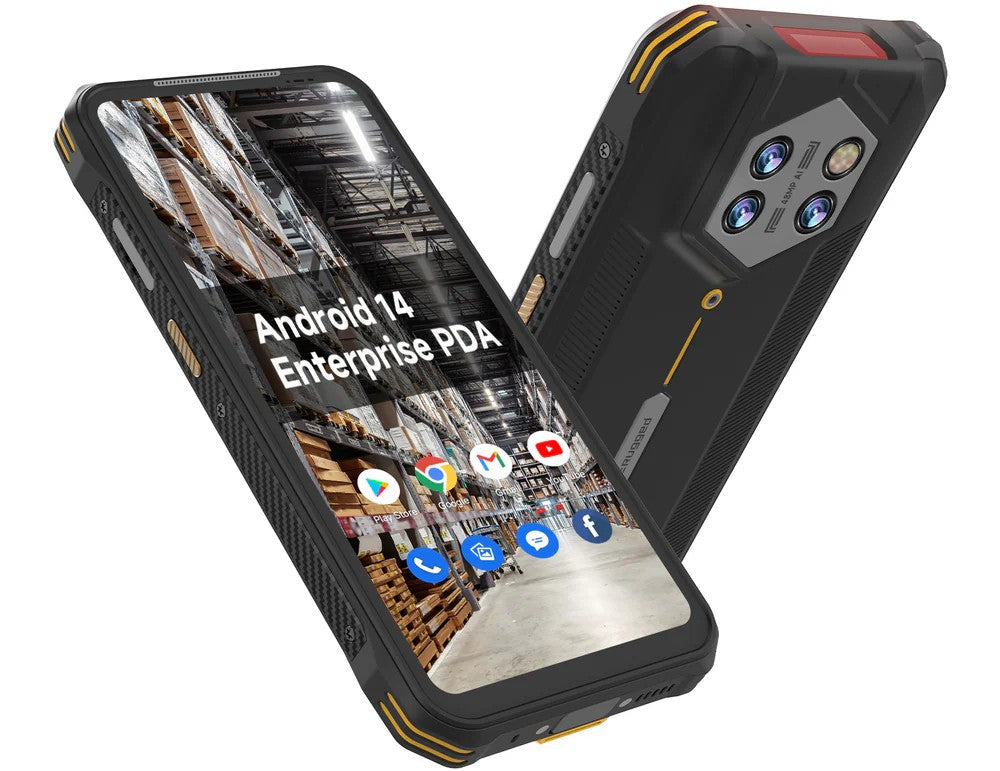
A handheld terminal is an industrial mobile computer designed for logistics and warehouse operations. Unlike consumer smartphones, it integrates:
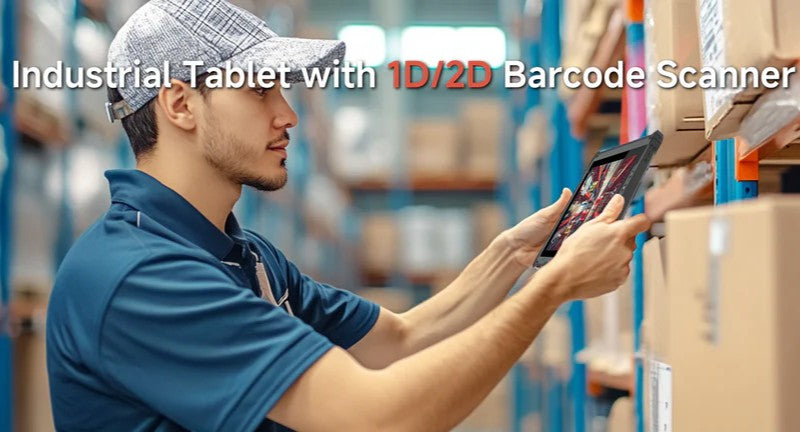
① Enterprise-grade barcode scanners
② Long-lasting or hot-swappable batteries
③ Durable housings for repeated daily use
These features are critical for logistics workflows.
2. Why Smartphones Fall Short in Logistics
Smartphones are not optimized for logistics tasks due to:
① Slower scanning performance
② Higher error rates during repetitive scanning
③ Limited durability under constant handling
④ Shorter battery life during long shifts
Over time, these limitations increase operational costs.
3. Typical Logistics Use Cases
Handheld terminals are commonly used for:
① Receiving and put-away
② Inventory counting
③ Order picking and packing
④ Shipping and dispatch verification
For logistics environments where accuracy and uptime are critical, a handheld terminal provides reliability and efficiency that smartphones cannot consistently deliver.


Leave a comment
This site is protected by hCaptcha and the hCaptcha Privacy Policy and Terms of Service apply.