


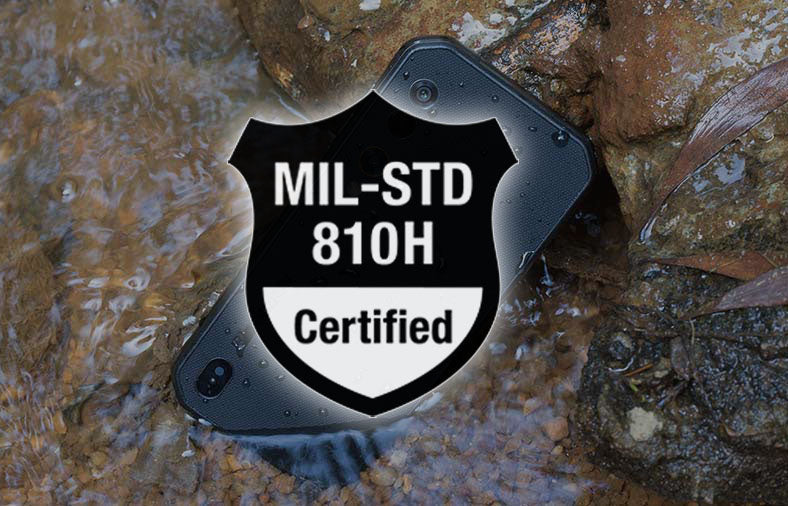
MIL-STD-810G Explained: What It Means for Rugged Devices
If you’ve shopped for rugged devices—whether tablets, laptops, or smartphones—you’ve probably come across the term “MIL-STD-810G.” But what does this certification actually mean? Is it just a marketing buzzword, or does it signify real durability? In this article, we’ll explain MIL-STD-810G in simple terms, break down the key tests it includes, and explain why it matters when choosing a rugged device for harsh environments like construction sites, outdoor work, or military use.

First, let’s start with the basics: MIL-STD-810G is a military standard developed by the United States Department of Defense (DoD). The “MIL” stands for military, “STD” for standard, and “810G” is the specific version (the latest version is 810H, but 810G is still widely used and recognized). The standard outlines a series of environmental tests that devices must pass to be considered “rugged” enough for military and industrial use. Unlike consumer device standards, which are often lenient, MIL-STD-810G is rigorous and ensures that devices can withstand extreme conditions.
So, what tests does MIL-STD-810G include? Let’s break down the most relevant ones for rugged devices:
1. Drop Test: Devices are dropped from various heights (typically 3 to 6 feet) onto concrete or other hard surfaces. The test simulates accidental drops that might occur in the field. A device that passes this test won’t crack, shatter, or stop working after a drop.
2. Shock Test: Devices are subjected to sudden shocks, such as those caused by explosions or heavy machinery. This test ensures that the internal components (like the processor, battery, and storage) remain intact and functional after a shock.
3. Vibration Test: Devices are exposed to continuous vibration, similar to what they might experience in a vehicle, airplane, or on a construction site. The test checks for loose components and ensures that the device doesn’t fail due to vibration over time.
4. Extreme Temperature Test: Devices are tested in extreme cold (-55°C to -20°C) and extreme heat (55°C to 70°C). This is crucial for devices used in outdoor environments, such as oil fields, deserts, or polar regions.
5. Dust and Sand Test: Devices are placed in a chamber with fine dust or sand to test their ingress protection. A device that passes this test will be dust-tight, preventing dust from entering the internal components and causing damage.
6. Water Test: Devices are submerged in water or sprayed with water to test their water resistance. This is often paired with an IP rating (like IP68) to indicate how well the device can withstand water exposure.
Now, why does MIL-STD-810G matter for you? If you’re in a profession that requires using devices in harsh environments—construction, military, oil and gas, or outdoor work—a device with MIL-STD-810G certification is a safe bet. It means the device has been rigorously tested and is built to last. Without this certification, you’re taking a risk: a regular device might fail after a single drop or exposure to dust, costing you time and money.
It’s important to note that not all MIL-STD-810G certifications are created equal. Some manufacturers only test their devices for a few of the standard’s tests, while others test for all of them. When shopping for a rugged device, look for a manufacturer that clearly lists which MIL-STD-810G tests their device has passed. At ONERugged, all our rugged devices meet or exceed MIL-STD-810G standards and undergo comprehensive testing to ensure durability. Check out our MIL-STD-810G certified devices here.




Leave a comment
This site is protected by hCaptcha and the hCaptcha Privacy Policy and Terms of Service apply.