

Rugged Mobile Computers for Utility Companies (Complete Buying Guide)
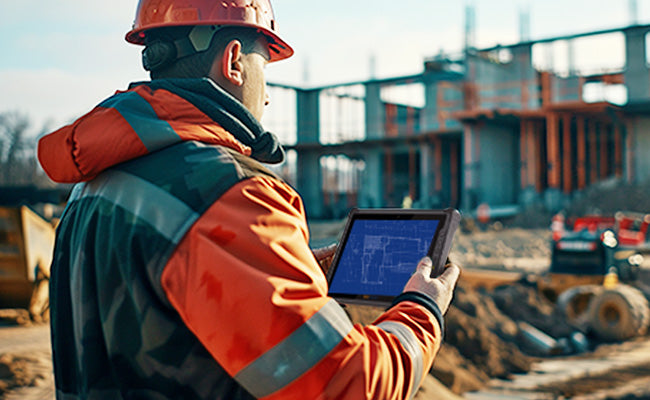
Why Utility Companies Need Rugged Mobile Devices? Utility companies such as electricity providers, water suppliers, and gas distribution operators rely heavily on field workers to maintain infrastructure. These workers often operate outdoors in remote locations where standard consumer electronics cannot withstand environmental conditions.
Field technicians must access asset data, record inspection results, and communicate with central systems in real time. Rugged mobile computers are designed specifically to support these tasks.

1. Environmental Challenges for Utility Field Workers
Utility workers frequently operate in challenging environments that can damage traditional electronic devices.
Common challenges include:
• Exposure to rain, dust, and mud
• Working in high or low temperatures
• Frequent drops during inspections
• Strong sunlight affecting screen visibility
• Long work shifts without access to charging
Devices used in these environments should meet industrial durability standards such as MIL-STD-810H, developed under testing protocols by the United States Department of Defense.
These standards ensure devices remain operational under extreme environmental stress.
2. Common Use Cases in Utility Operations
① Meter Reading
Utility technicians use mobile devices to record electricity, gas, or water meter readings. Digital recording eliminates manual paperwork and improves data accuracy.
② Infrastructure Inspection
Field workers inspect power lines, water pipelines, and gas distribution systems. Rugged tablets allow technicians to record inspection results and upload photos directly to central systems.
③ Maintenance Management
Technicians access maintenance schedules, service histories, and repair instructions while working on site.
④ Emergency Repairs
During outages or pipeline failures, rugged devices help technicians receive instructions and report progress in real time.
3. Key Features to Look for in Utility Rugged Devices
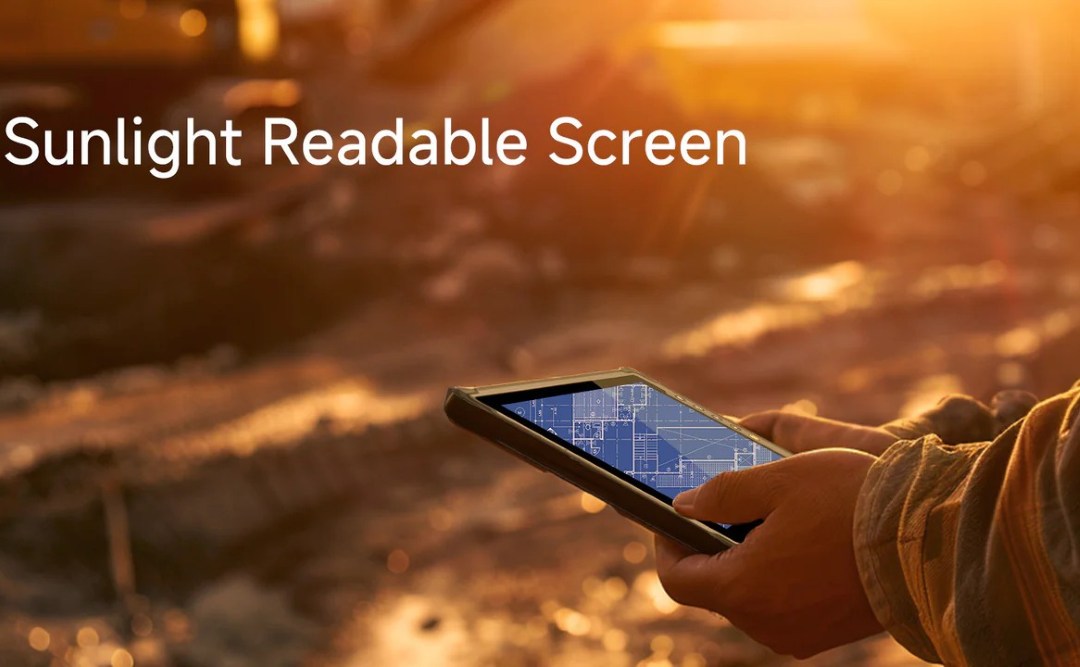
① Sunlight-Readable Display
Field workers often operate outdoors under direct sunlight.
Recommended display brightness:
• 800–1000 nits
• Anti-glare screen coating
High-brightness displays ensure information remains visible during outdoor inspections.
② Long Battery Life
Utility workers often spend an entire shift in the field.
Recommended battery specifications:
• 7000mAh or higher
• 8–12 hours operating time
Some rugged devices support hot-swappable batteries for uninterrupted operation.
③ GPS and Connectivity
Accurate location tracking helps technicians locate infrastructure assets.
Important connectivity features include:
• 4G LTE / 5G
• WiFi connectivity
• Bluetooth
• GPS positioning
④ Strong Durability
Utility devices should support:
• MIL-STD-810H certification
• IP67 or IP68 protection
These standards ensure protection against water, dust, and drop impact.
4. Benefits for Utility Companies
Adopting rugged mobile devices can provide several operational advantages.
① Improved Work Efficiency
Technicians can access asset data and maintenance instructions instantly.
② Accurate Data Collection
Digital reporting reduces errors and improves record accuracy.
③ Faster Response to Failures
Real-time communication allows faster repairs during infrastructure failures.
④ Lower Equipment Replacement Costs
Rugged devices typically last several years in harsh environments.
Unlike consumer devices, rugged mobile computers provide high durability, reliable connectivity, and long battery life for demanding field operations.
FAQ
Q: Why do utility companies use rugged mobile computers?
A: Rugged devices provide durability, outdoor visibility, and long battery life required for field technicians.
Q: What durability rating is recommended for utility devices?
A: Most field operations require MIL-STD-810H certification and IP65 protection.


Leave a comment
This site is protected by hCaptcha and the hCaptcha Privacy Policy and Terms of Service apply.