


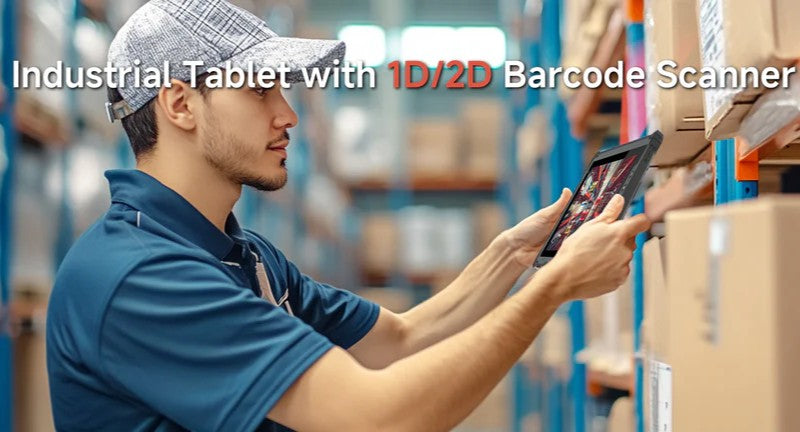
Rugged Tablet for Logistics: Improving Efficiency in Warehouse and Transportation Operations
Logistics operations rely heavily on real-time data, inventory accuracy, and uninterrupted communication. In warehouses, distribution centers, and transportation hubs, consumer tablets often fail under continuous use. This is why many companies adopt rugged tablets for logistics to maintain operational efficiency.

I. Why Logistics Operations Need Rugged Tablets
Logistics environments typically involve:
① Constant device handling
② Exposure to dust and temperature changes
③ Frequent movement between indoor and outdoor areas
④ Integration with barcode scanners and RFID systems
Rugged tablets are designed to handle these conditions without performance degradation.
II. Key Features of Rugged Tablets for Logistics
1. Industrial-Grade Durability
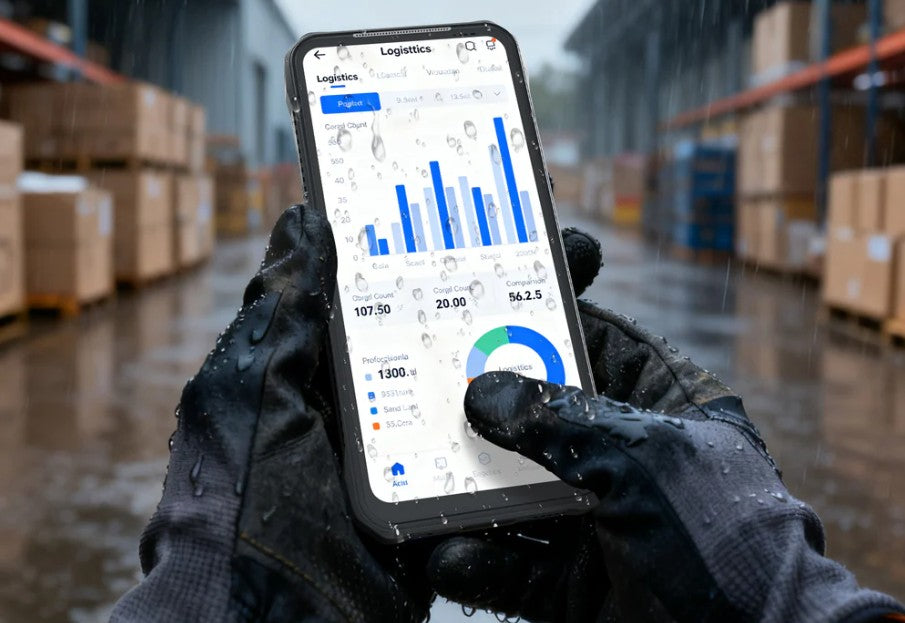
Rugged tablets feature reinforced frames and sealed enclosures to prevent damage from drops, dust, and moisture.
2. Integrated Data Capture
① Many rugged tablets support:
② Built-in or external barcode scanners
③ RFID readers for inventory tracking
④ GPS for fleet and asset management
3. Enterprise Operating Systems
Android and Windows rugged tablets support logistics software such as WMS, ERP, and fleet management platforms.
III. Use Cases in Logistics and Warehousing
Rugged tablets are commonly used for:
① Inventory counting and stock verification
② Order picking and packing
③ Proof of delivery (POD)
④ Vehicle-mounted applications in forklifts and trucks
IV. Rugged Tablet vs Consumer Tablet in Logistics

A rugged tablet for logistics enables stable, long-term operation in demanding supply chain environments. By reducing device failures and improving data accuracy, logistics companies can achieve better efficiency and lower operating costs.



Leave a comment
This site is protected by hCaptcha and the hCaptcha Privacy Policy and Terms of Service apply.