
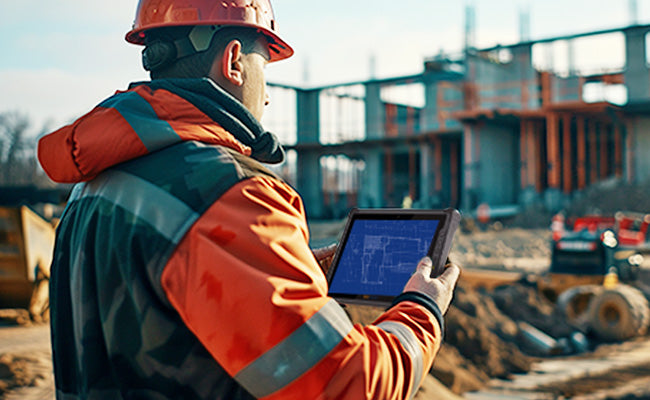

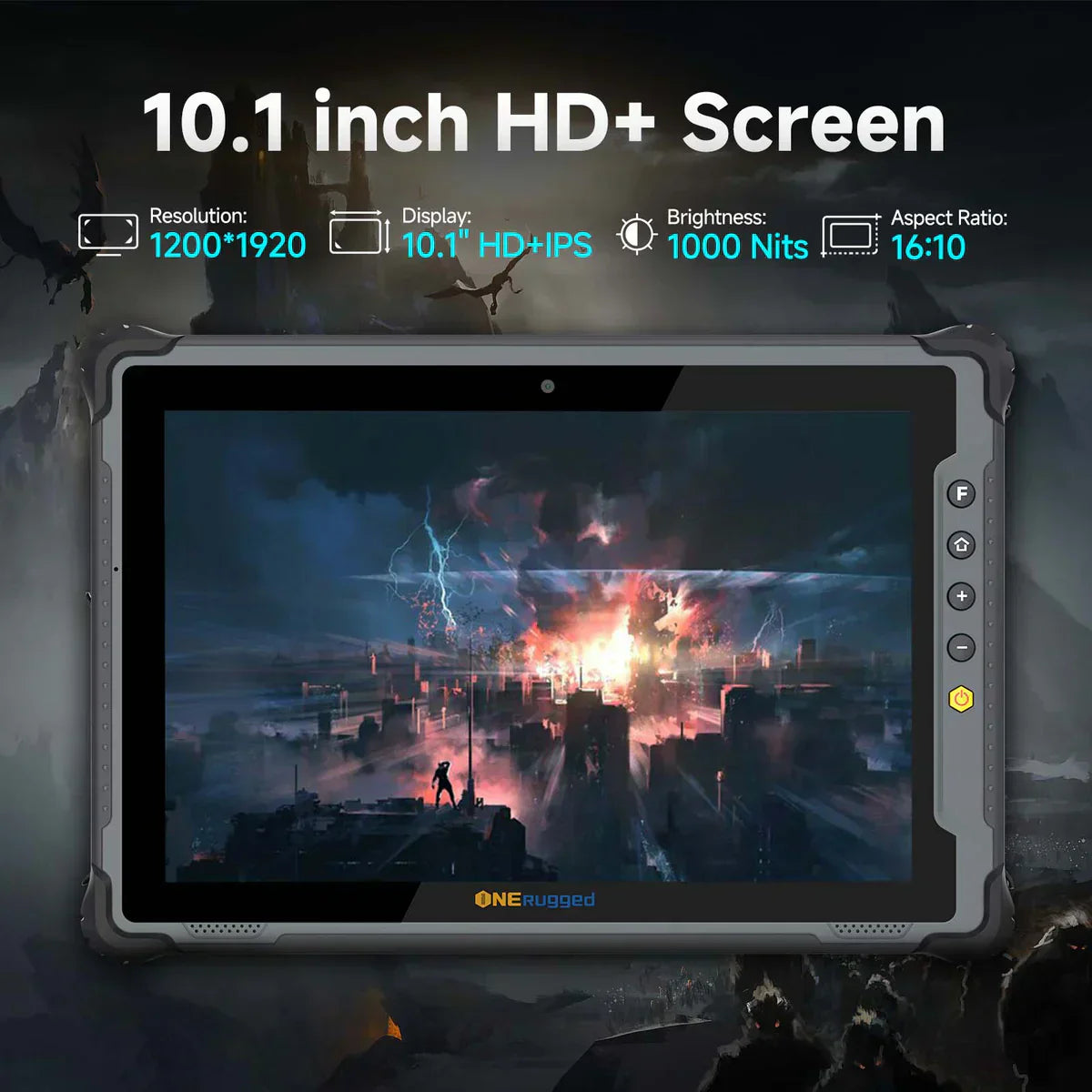
What Is a Tablet with Barcode Scanner? Key Industries and Use Cases of Tablet with Barcode Scanner

1. What Is a Tablet with Barcode Scanner?
It is a tablet device equipped with an integrated 1D/2D barcode scanning engine, allowing users to capture data quickly without external peripherals.
2. Benefits of Integrated Barcode Scanning
① Higher Efficiency:Faster scanning compared to camera-based solutions
② One-handed operation:Reduced workflow interruptions
③ Improved Accuracy:High read rates even for damaged or low-contrast barcodes, Reduced manual input errors.
3. Types of Barcode Scanners
① 1D Laser Scanner – Ideal for linear barcodes
② 2D Imager Scanner – Reads QR codes and damaged labels
4. Key Industries and Use Cases
① Warehousing and Logistics
② Inventory counting
③ Picking and packing
④ Shipment verification
⑤ Retail
⑥ Price checking
⑦ Stock replenishment
⑧ Mobile POS
⑨ Manufacturing
⑩ Work-in-process tracking
⑪ Quality control
5. Key Features to Look For
① Scan engine brand and performance
② OS compatibility (Android or Windows)
③ Battery life and hot-swappable options
④ Rugged protection (IP65+, drop resistance)
⑤ Rugged Tablet vs Consumer Tablet with Scanner
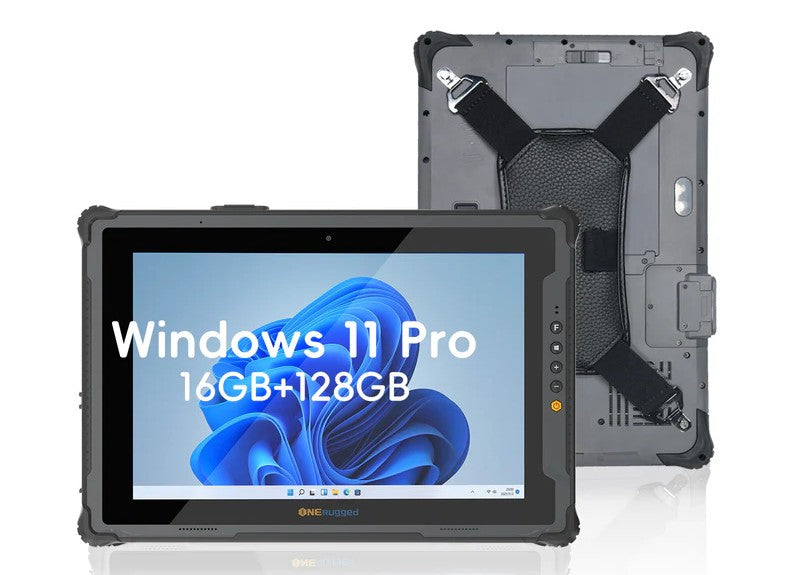
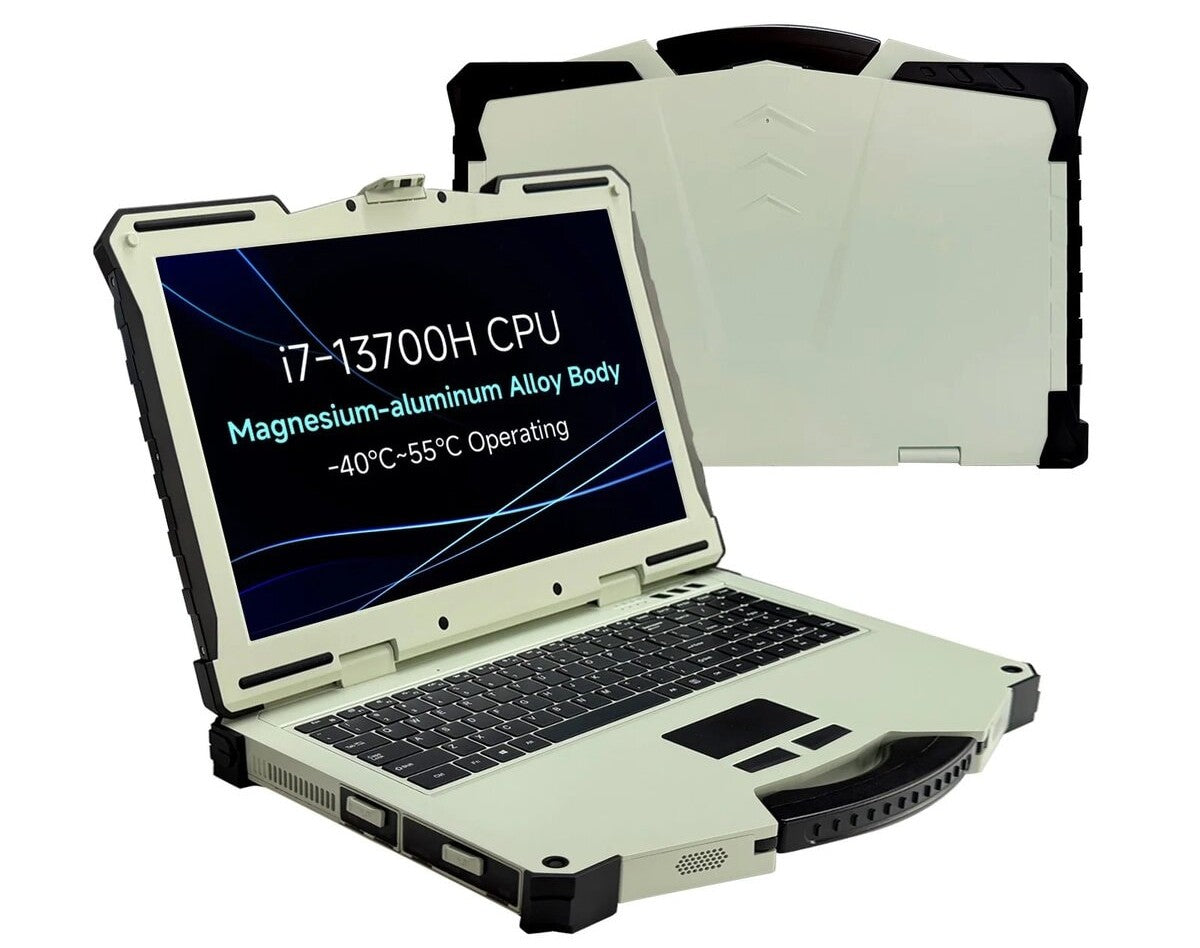
⑥ Rugged tablets are designed for continuous scanning, drops, dust exposure, and long shifts—consumer tablets are not.
A tablet with barcode scanner is essential for modern data-driven operations. When combined with rugged design, it becomes a reliable tool for demanding industrial environments.


Leave a comment
This site is protected by hCaptcha and the hCaptcha Privacy Policy and Terms of Service apply.