

What Is an Embedded Computer? Functions, Applications, and the Evolution of Embedded Systems
Today, embedded computers power everything from industrial machines and medical devices to smart appliances and transportation systems. So, what about embedded computers? In this article, we’ll explore what an embedded computer is, its key functions, common applications, and the history and evolution of embedded computing.
I. What Is an Embedded Computer?
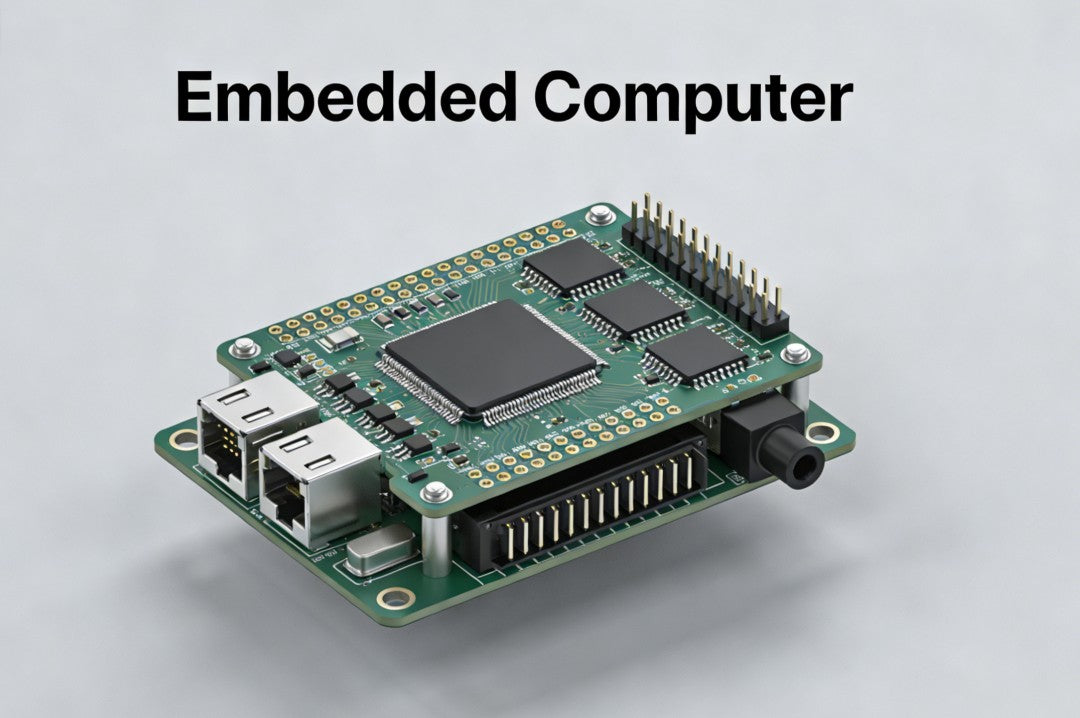
An embedded computer is a microprocessor-based system integrated into a larger device or product to control operations, monitor performance, or process data. It typically consists of:
① A processor (microcontroller, microprocessor, or SoC)
② Memory (RAM and storage)
③ Input/output interfaces
④ Communication modules (Ethernet, Wi-Fi, CAN, serial, etc.)
⑤ Embedded operating system or firmware

An embedded computer (also called an embedded system or embedded computing device) is a specialized computer designed to perform a dedicated function within a larger system. Unlike general-purpose computers such as desktops or laptops, embedded computers are built to carry out specific tasks reliably, efficiently, and often in real-time.
Unlike a PC, an embedded computer is not designed for general computing tasks like browsing the web or running office applications. Instead, it is optimized for a specific purpose — such as controlling a production line, managing vehicle systems, or monitoring environmental sensors.
II. Core Functions of an Embedded Computer
Embedded computers are built for reliability and efficiency. Their core functions include:
1. Real-Time Control and Processing
Many embedded systems operate in real-time environments, meaning they must respond to inputs within strict timing constraints. For example:
① Industrial automation systems
② Automotive control units
③ Robotics and motion control
Real-time performance ensures safety, accuracy, and operational stability.
2. Data Acquisition and Monitoring
Embedded computers collect data from sensors and peripherals, including:
① Temperature and humidity sensors
② Barcode scanners
③ GPS modules
④ Cameras and imaging systems
They process this data locally and may transmit it to centralized systems or cloud platforms.
3. Device Control and Automation
In manufacturing and infrastructure environments, embedded computers manage:
① PLC-based systems
② Conveyor belts
③ CNC machines
④ Traffic control systems
Their compact size and low power consumption make them ideal for continuous operation.
4. Communication and Networking
Modern embedded systems often support:
① Ethernet
② Wi-Fi
③ Bluetooth
④ 4G/5G
⑤ Industrial protocols such as Modbus or CAN bus
This enables integration into Industrial IoT (IIoT) and smart factory networks.
III. Common Applications of Embedded Computers
Embedded computing technology is widely used across industries. Below are some of the most important application areas.
1. Industrial Automation
Embedded computers are core components in smart manufacturing systems. They are used for:
① Machine control
② Predictive maintenance
③ Edge data processing
④ SCADA systems
Their rugged design allows them to operate in harsh environments with vibration, dust, and temperature fluctuations.
2. Automotive Systems
Modern vehicles contain dozens of embedded systems that control:
① Engine management
② Airbags
③ Infotainment systems
④ Advanced driver-assistance systems (ADAS)
These systems must meet strict safety and reliability standards.
3. Medical Equipment
Embedded computers power:
① Patient monitoring systems
② Diagnostic imaging devices
③ Infusion pumps
④ Portable medical instruments
Reliability and compliance with medical regulations are critical in this sector.
4. Consumer Electronics
Common examples include:
① Smart TVs
② Washing machines
③ Microwave ovens
④ Smart home devices
In these cases, embedded computers manage user interfaces and device automation.
5. Transportation and Logistics
Embedded systems are used in:
① Fleet management systems
② Railway signaling
③ Warehouse automation
④ Smart traffic control
They enable real-time tracking, route optimization, and operational monitoring.
IV. The Evolution and History of Embedded Computers
The development of embedded computing has progressed significantly over the past several decades.
1. 1960s–1970s: Early Embedded Systems
One of the earliest examples of an embedded system was the guidance computer used in the Apollo missions. The National Aeronautics and Space Administration developed the Apollo Guidance Computer in the 1960s, which was designed specifically to manage spacecraft navigation.
In 1971, Intel introduced the Intel 4004, widely regarded as the first commercially available microprocessor. This innovation made it possible to design compact, programmable embedded systems.
2. 1980s–1990s: Growth of Microcontrollers
During this period, microcontrollers became more powerful and affordable. Embedded systems began appearing in:
① Home appliances
② Automotive electronics
③ Industrial machinery
The rise of real-time operating systems (RTOS) improved reliability and timing precision.
3. 2000s: Rise of Embedded Linux and Networking
With increasing connectivity demands, embedded computers began using Linux-based operating systems. Embedded Linux platforms allowed developers to build more complex applications with networking capabilities.
The expansion of Ethernet and wireless communication enabled remote management and monitoring.
4. 2010s–Present: IoT and Edge Computing
The growth of the Internet of Things (IoT) transformed embedded computing. Modern embedded computers now support:
① Cloud connectivity
② Edge AI processing
③ Machine learning inference
④ Advanced cybersecurity features
Edge computing allows data to be processed locally instead of being sent entirely to the cloud, reducing latency and bandwidth usage.
V. Key Characteristics of Embedded Computers
Embedded computers are typically designed with the following features:
① Compact form factor
② Low power consumption
③ Long lifecycle support
④ High reliability
⑤ Wide temperature operation
⑥ Fanless and ruggedized design (in industrial models)
These characteristics make them suitable for deployment in demanding environments.
VI. Embedded Computer vs. General-Purpose Computer

IV. The Future of Embedded Computing
As industries adopt automation, AI, and smart infrastructure, embedded computers will continue to evolve. Key trends include:
① AI-enabled edge devices
② Enhanced cybersecurity
③ 5G-enabled industrial connectivity
④ Energy-efficient ARM architectures
⑤ Integration with cloud-native platforms
Embedded computing will remain fundamental to Industry 4.0, smart cities, and advanced manufacturing.
An embedded computer is a specialized computing system designed to perform specific tasks within larger devices or machines. From early aerospace applications to modern IoT and edge AI systems, embedded computers have evolved into essential components of today’s digital infrastructure.
With their reliability, efficiency, and adaptability, embedded systems play a crucial role in industrial automation, transportation, healthcare, consumer electronics, and beyond. As technology advances, embedded computers will continue to drive innovation across virtually every industry.



Leave a comment
This site is protected by hCaptcha and the hCaptcha Privacy Policy and Terms of Service apply.