

Buying Guide for Rugged Devices for Fleet Management and Transportation
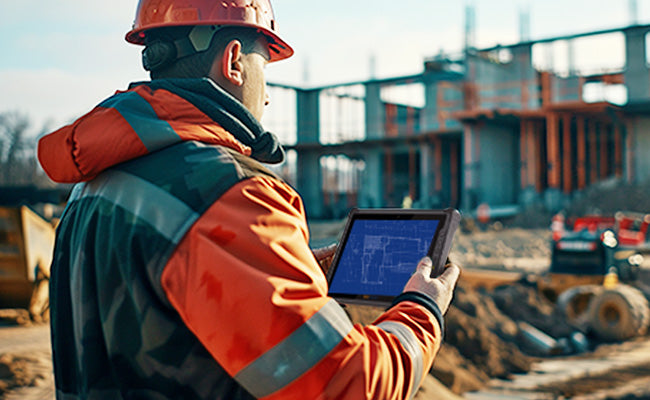
Why Transportation Companies Use Rugged Devices? Transportation and logistics companies rely heavily on mobile devices for route planning, cargo tracking, driver communication, and fleet management. Drivers and logistics personnel often work long hours on the road while managing complex delivery schedules and transportation systems.
However, standard consumer tablets and smartphones are not designed for the harsh environments inside vehicles or transportation hubs. Constant vibration, temperature changes, accidental drops, and continuous usage can quickly damage consumer-grade electronics.
This is why many transportation companies are investing in rugged tablets and rugged mobile devices designed specifically for fleet management operations.

1. Challenges in Transportation Environments
Fleet management operations expose mobile devices to several environmental challenges that can reduce the lifespan of standard electronics.
Common challenges include:
• Continuous vibration from vehicles during long-distance driving
• High temperature inside truck cabins during summer
• Cold temperatures in winter transportation routes
• Frequent handling and accidental drops
• Long operating hours without charging opportunities
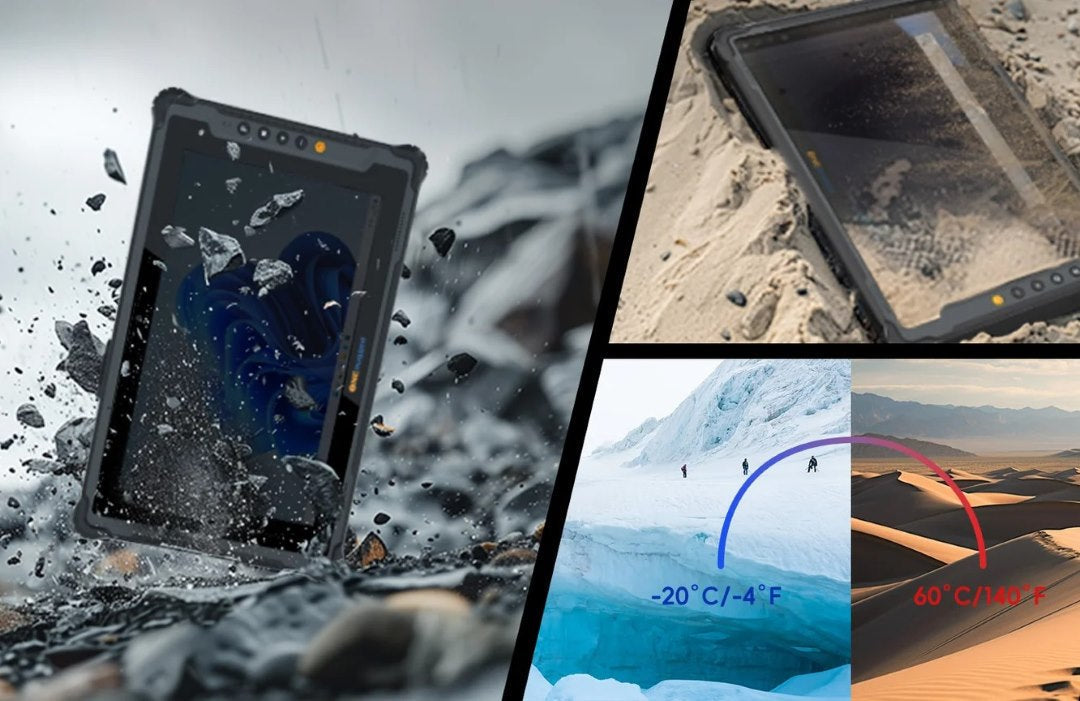
Because of these challenges, transportation companies require devices that meet industrial durability standards such as MIL-STD-810H, developed by the United States Department of Defense.
Devices tested under this standard are designed to withstand vibration, shock, and extreme environmental conditions.
2. Common Applications in Fleet Management
Rugged tablets and handheld devices are widely used across transportation and logistics operations.
① GPS Navigation and Route Optimization
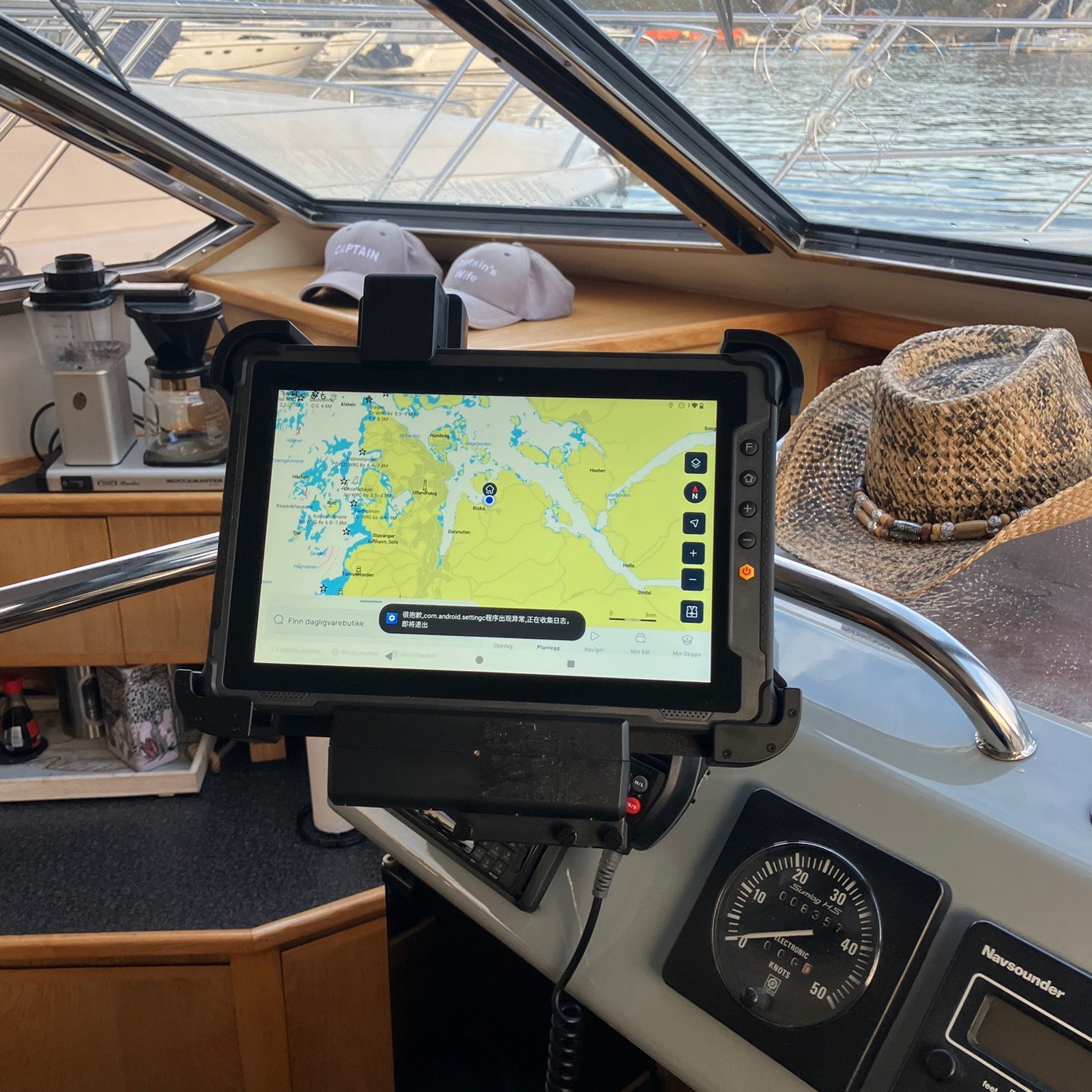
Drivers use rugged tablets for navigation and route planning. Fleet management software helps drivers avoid traffic congestion, optimize delivery routes, and reduce fuel consumption.
Reliable navigation systems are essential for long-distance transportation and logistics operations.
② Electronic Logging Devices (ELD)
Many transportation companies use electronic logging systems to record driver working hours and ensure regulatory compliance.
Rugged tablets installed in vehicles can function as ELD systems that automatically record driving time and vehicle activity.
③ Cargo Tracking and Delivery Confirmation
Logistics personnel use mobile devices to track cargo movement and confirm delivery completion.
Typical tasks include:
• Scanning shipment barcodes
• Updating delivery status
• Capturing customer signatures
• Uploading delivery confirmation photos
These digital processes improve accuracy and reduce paperwork.
④ Vehicle Diagnostics
Some rugged tablets connect directly to vehicle diagnostic systems to monitor engine status, fuel consumption, and vehicle performance.
Real-time vehicle data helps fleet managers detect potential issues before they cause breakdowns.
3. Key Features to Look for in Fleet Management Devices
Transportation companies should evaluate several important features before selecting rugged devices.
① Vehicle Docking Compatibility
Rugged tablets used in vehicles should support secure vehicle docking systems.
Docking stations provide:
• Stable mounting in truck cabins
• Continuous charging during driving
• External antenna support for better signal strength
Vehicle docks ensure safe and convenient device usage while driving.
② Reliable Connectivity
Transportation operations require constant communication between drivers and dispatch centers.
Important connectivity features include:
• 4G LTE or 5G support
• WiFi connectivity at logistics hubs
• Bluetooth for peripheral devices
• GPS navigation support
Reliable connectivity allows real-time data synchronization and fleet coordination.
③ Strong Durability
Fleet devices should withstand constant vibration and accidental drops.
Recommended durability specifications include:
• MIL-STD-810H certification
• IP65 or IP67 protection rating
These standards ensure devices remain operational in harsh transportation environments.
④ Long Battery Life
Drivers may operate vehicles for extended hours without access to charging stations.
Recommended battery specifications include:
• Battery capacity of 7000mAh or higher
• At least 8–10 hours of operation
Long battery life ensures uninterrupted device performance during long transportation routes.
4. Benefits for Transportation Companies
Deploying rugged devices across fleet operations can significantly improve efficiency and operational reliability.
① Improved Route Efficiency
Digital navigation systems help drivers optimize routes and reduce fuel consumption.
② Accurate Delivery Tracking
Real-time shipment tracking improves logistics transparency and customer satisfaction.
③ Reduced Device Failures
Rugged devices are designed for continuous vehicle operation, reducing hardware failures.
④ Lower Operational Costs
Durable devices last longer than consumer electronics, reducing replacement costs.
Transportation companies require reliable mobile computing solutions to manage fleet operations efficiently. Rugged tablets and mobile devices provide the durability, connectivity, and battery performance needed for modern transportation environments.
By investing in rugged fleet management devices, companies can improve route efficiency, enhance delivery tracking, and ensure reliable communication between drivers and dispatch teams.
FAQ
Q:Why do transportation companies use rugged tablets?
A:Rugged tablets provide durability, GPS navigation, and reliable connectivity for fleet management operations.
Q:What features are important for fleet management devices?
A:Key features include vehicle docking support, GPS navigation, long battery life, and MIL-STD-810H durability certification.



Leave a comment
This site is protected by hCaptcha and the hCaptcha Privacy Policy and Terms of Service apply.