

Rugged Mobile Devices for Agriculture (Smart Farming Technology Guide)
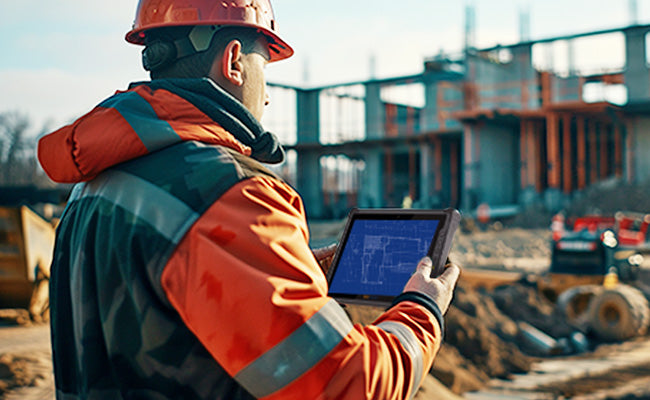
Why Agriculture Is Increasingly Adopting Rugged Devices? Modern agriculture is undergoing a technological transformation. Farmers and agricultural companies are increasingly using digital tools to monitor crops, manage irrigation systems, and track farm equipment.
This approach, often referred to as precision agriculture, relies on accurate data collection and real-time decision making.
However, farming environments present several challenges for electronic devices. Dust, dirt, moisture, and strong sunlight can quickly damage consumer smartphones or tablets.
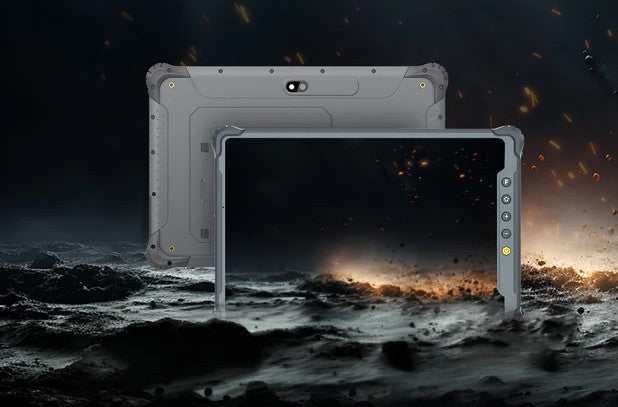
Rugged mobile devices are designed to operate reliably in outdoor agricultural environments, making them valuable tools for modern farming operations.

1. Environmental Challenges in Agricultural Work
Agricultural operations expose mobile devices to several environmental risks.
Common challenges include:
• Dust and soil exposure during field work
• Strong sunlight during long farming hours
• Rain and moisture exposure
• High temperatures during summer seasons
• Accidental drops during equipment operation
Because of these challenges, rugged agricultural devices should meet industrial durability standards such as MIL-STD-810H.
These standards ensure devices can operate reliably in outdoor farming environments.
2. Common Applications in Agriculture
① Crop Monitoring
Farmers use rugged tablets to monitor crop growth and record agricultural data.
Digital monitoring systems help farmers track crop conditions and detect potential problems early.
② Soil Data Collection
Agricultural technicians collect soil samples and record soil quality data using mobile devices.
This information helps determine the optimal fertilizer and irrigation strategies.
③ Farm Equipment Management
Large farms operate multiple machines such as tractors, harvesters, and irrigation systems.
Rugged mobile devices allow farmers to track equipment location, maintenance schedules, and operational status.
④ Irrigation System Control
Many modern farms use automated irrigation systems controlled through digital platforms.
Rugged tablets allow farmers to monitor water usage and adjust irrigation settings in real time.
3. Key Features for Agricultural Rugged Devices
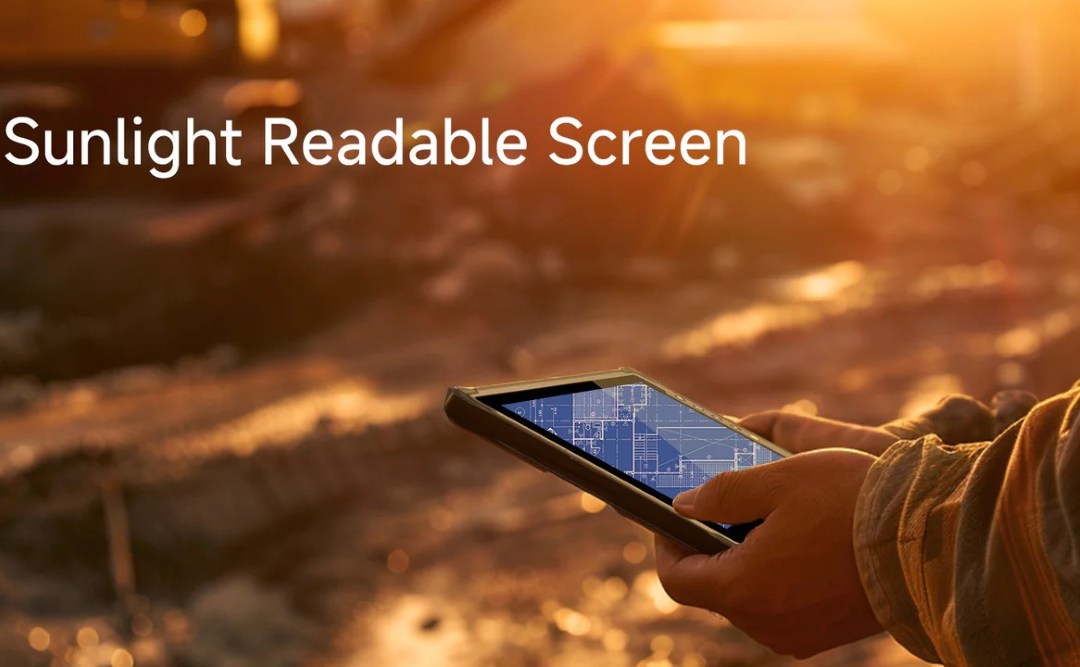
① Sunlight-Readable Display
Farming work often takes place under strong sunlight.
Recommended display specifications include:
• 800–1000 nits brightness
• Anti-glare screen coating
② Long Battery Life
Farmers often work in fields for long periods without access to electricity.
③ GPS Positioning
Accurate GPS tracking allows farmers to map crop areas and manage field operations more efficiently.
④ Dust and Water Protection
Recommended protection rating:
• IP67 or IP68
These ratings ensure devices remain operational in dusty or wet farming environments.
4. Benefits for Modern Agriculture
Adopting rugged mobile technology provides several benefits for agricultural operations.
① Improved Data Collection
Digital tools allow farmers to record crop and soil data accurately.
② Better Farm Management
Real-time monitoring systems help farmers optimize farming operations.
③ Higher Crop Productivity
Data-driven decision making can improve crop yields.
④ Reduced Equipment Downtime
Maintenance tracking systems help farmers maintain agricultural machinery effectively.
Rugged mobile devices are becoming essential tools for modern agriculture. By providing durable hardware, reliable connectivity, and outdoor visibility, these devices support data-driven farming and precision agriculture technologies.
FAQ
Q:Why do farmers use rugged tablets?
A:Rugged tablets provide durability, long battery life, and sunlight-readable displays suitable for outdoor farming environments.


Leave a comment
This site is protected by hCaptcha and the hCaptcha Privacy Policy and Terms of Service apply.