


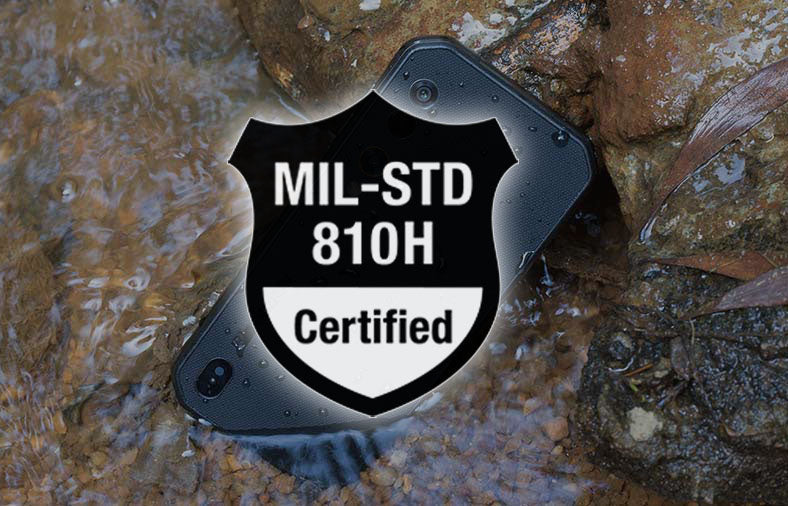
MIL-STD-810H Explained: Military Standard Testing for Rugged Electronics
Many rugged devices advertise compliance with MIL-STD-810H, but what does this military standard actually mean? More importantly, how relevant is it for industrial and commercial users?

This article explains MIL-STD-810H, its testing methods, and why it matters for rugged electronics.
I. What Is MIL-STD-810H?
MIL-STD-810H is a U.S. Department of Defense standard that evaluates equipment durability under extreme environmental stresses.
It is widely adopted beyond military use for rugged industrial devices.
II. Key Test Categories in MIL-STD-810H
1. Drop and Shock Testing
Simulates accidental drops during use or transport.
2. Vibration Testing
Replicates long-term vibration from vehicles, machinery, or aircraft.
3. Temperature Extremes
① High temperature operation
② Low temperature operation
③ Thermal shock
4. Humidity, Dust, and Sand
Ensures devices function in harsh environmental conditions.
III. MIL-STD-810G vs 810H
810H is an updated version with:
① More realistic test profiles
② Improved environmental simulations
IV. What MIL-STD-810H Does NOT Guarantee
① Waterproofing (handled by IP ratings)
② Lifetime durability
③ Zero failure risk
IV. Why MIL-STD-810H Matters for Businesses
Devices tested to this standard:
① Fail less often
② Perform reliably in the field
③ Lower total cost of ownership
V. Who Needs MIL-STD-810H Certified Devices?
① Construction and utilities
② Logistics and transportation
③ Emergency services
④ Manufacturing
MIL-STD-810H is a critical benchmark for rugged electronics, providing confidence that devices can survive real-world abuse.



Leave a comment
This site is protected by hCaptcha and the hCaptcha Privacy Policy and Terms of Service apply.