


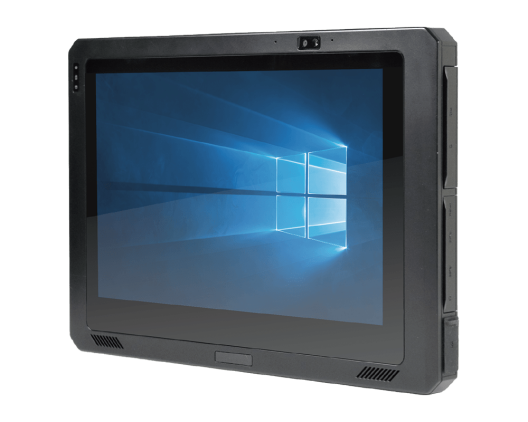
What Is a Semi-Rugged Tablet? Features, Limitations, and Best Use Cases
Semi-rugged tablets bridge the gap between consumer tablets and fully rugged devices. They offer improved durability without the size, weight, or cost of fully rugged models.

This article explains what a semi-rugged tablet is, its key features, limitations, and ideal applications.
I. Definition of a Semi-Rugged Tablet
A semi-rugged tablet is designed for moderately demanding environments, offering enhanced protection compared to consumer devices but not the extreme durability of fully rugged tablets.
II. Key Features of Semi-Rugged Tablets
1. Moderate Environmental Protection
① Typically IP54–IP65
② Resistant to dust and light water exposure
2. Improved Drop Resistance
Semi-rugged tablets usually survive drops from lower heights, suitable for indoor industrial use.
3. Lighter and Thinner Design
Compared to fully rugged tablets, semi-rugged models are:
① Easier to carry
② More comfortable for extended use
III. Limitations of Semi-Rugged Tablets
① Not suitable for water immersion
② Limited extreme temperature tolerance
③ Reduced protection against heavy vibration
IV. Best Use Cases for Semi-Rugged Tablets
① Warehousing and logistics
② Manufacturing floors
③ Retail back-of-house operations
④ Indoor field service
V. Choose semi-rugged tablets when:
① Environments are controlled
② Budget is a key concern
③ Extreme conditions are unlikely
Semi-rugged tablets offer an excellent balance of durability, portability, and cost for many industrial environments. The key is matching protection level to real-world conditions.


Leave a comment
This site is protected by hCaptcha and the hCaptcha Privacy Policy and Terms of Service apply.