

Waterproof vs Water Resistant Tablets: What’s the Real Difference?
When shopping for rugged tablets or industrial mobile devices, buyers often encounter the terms waterproof and water resistant. These terms are frequently used interchangeably in marketing materials, but in reality, they represent very different levels of protection.

This article provides a clear and practical explanation of waterproof vs water resistant tablets, helping businesses choose the right device based on real working conditions rather than vague labels.
1. What Does “Water Resistant” Mean?
A water resistant tablet is designed to withstand limited exposure to water, such as splashes, light rain, or accidental spills.
Water resistance is usually defined by lower IP ratings, such as: IP54, IP55, IP65
These ratings indicate that the device can handle moisture, but not immersion.
2. What Does “Waterproof” Mean?
A waterproof tablet is designed to survive direct contact with water, including temporary or continuous immersion, depending on certification.
Waterproof protection is typically defined by: IP67, IP68
These devices are sealed to prevent water ingress even when submerged under specific conditions.
3. Key Differences Between Waterproof and Water Resistant

4. Why the Difference Matters in Real Work Environments
Using a water-resistant tablet in a waterproof-required environment can lead to: Device failure, Data loss, Increased downtime, and Higher replacement costs.
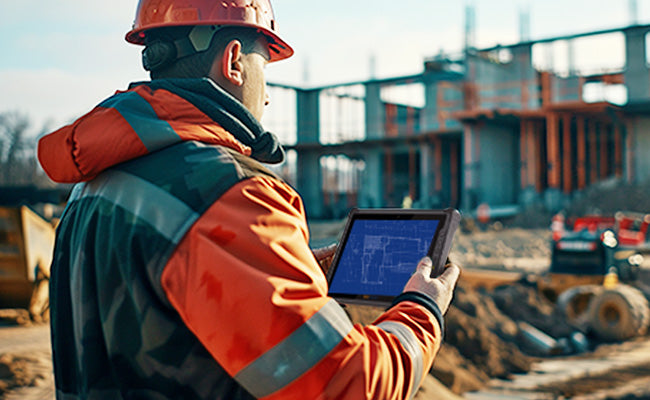
For industries such as construction, utilities, or field service, waterproof protection is often not optional.
5. Common Use Cases for Water Resistant Tablets
① Warehouses.
② Manufacturing plants.
③ Indoor logistics.
④ Retail and light industrial use.
These environments rarely require immersion protection.
6. Common Use Cases for Waterproof Tablets
① Construction sites.
② Outdoor inspections.
③ Agriculture.
Utilities and emergency services.
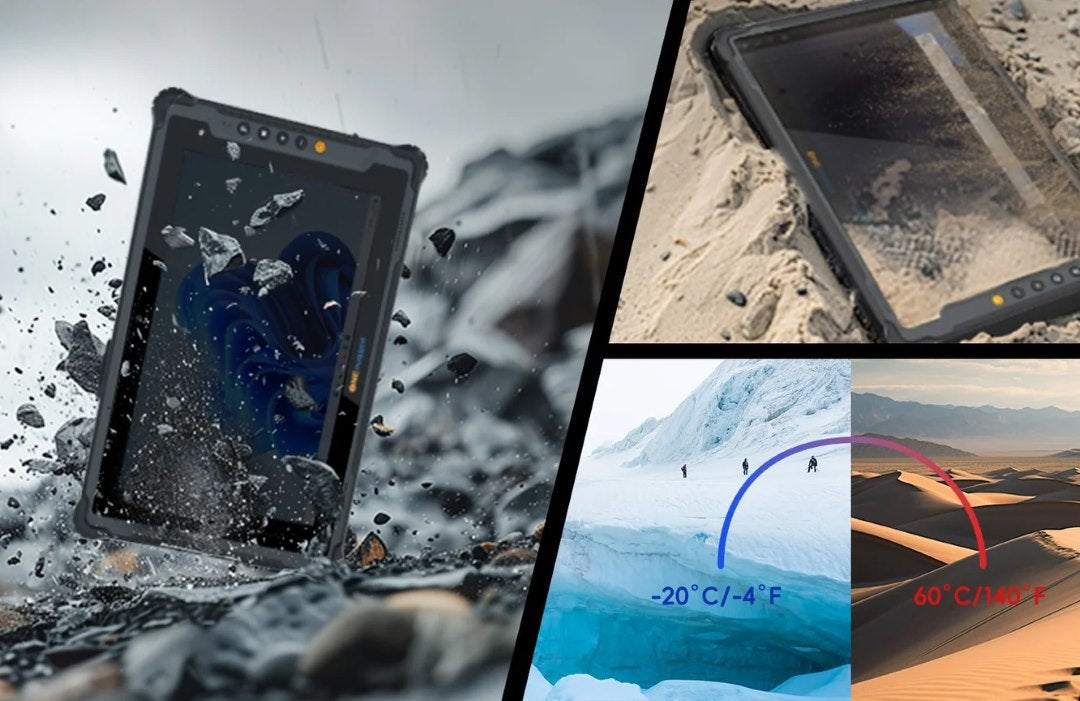
Here, devices must survive rain, mud, and accidental drops into water.
If your operation involves any outdoor or unpredictable environment, a waterproof tablet (IP67 or higher) is the safer long-term investment. Water resistance alone is best suited for controlled indoor environments.


Leave a comment
This site is protected by hCaptcha and the hCaptcha Privacy Policy and Terms of Service apply.